Crafting Impact: The Rise of Presentation Templates as Strategic Assets
The modern professional landscape is defined by communication. Whether pitching to investors, educating a team, or launching a product, the ability to convey complex ideas with clarity and conviction is non-negotiable. This demand has elevated the presentation from a simple visual aid to a core strategic asset. In this context, tools like the Lacosata - Keynote Template emerge not merely as design shortcuts, but as sophisticated frameworks that empower creators to build credibility and captivate audiences efficiently.
Beyond Decoration: The Template as a Communication System
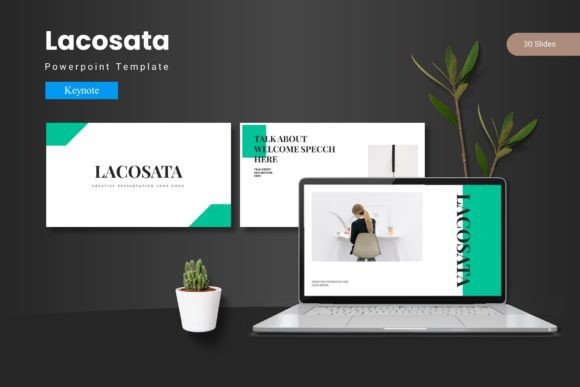
What exactly is the Lacosata - Keynote Template? It is a comprehensive design system built for Apple’s Keynote software. At its core, it provides 150 total slides across 5 distinct color variations, offering a structured yet flexible canvas. The package includes master slides, section breaks, handcrafted infographics, and pixel-perfect illustrations. Crucially, every element is resizable and editable. This transforms the template from a static backdrop into a dynamic toolkit. Users aren't just filling in blanks; they are leveraging a coherent visual language—a language of consistent layouts, harmonious fonts, and intentional color schemes—to construct their narrative.
This approach aligns with a broader industry shift towards design systems in software and branding. Companies no longer treat design as ad-hoc; they codify it into reusable components for speed and consistency. The Lacosata - Keynote Template applies this principle to the individual creator or small team. It ensures that from the title slide to the portfolio gallery, the presentation feels like a single, polished entity, which directly reinforces the presenter's authority and the message's integrity.
The Driving Forces: Why Templates Command Attention
The growing reliance on such templates is driven by several converging trends. First, the democratization of high-stakes communication. Entrepreneurs, freelancers, and marketers often operate without dedicated design departments, yet they compete in arenas where visual polish is expected. Second, the acceleration of workflow. The "time to presentation" is shrinking; opportunities can arise suddenly, and response times must be swift. A robust template eliminates the days of wrestling with alignment, font pairing, and chart design, compressing production time into hours.
Furthermore, audience expectations have evolved. In a media-saturated environment, amateurish visuals can undermine even excellent content. Audiences, whether they are clients, conference attendees, or internal stakeholders, have become discerning. They subconsciously associate visual professionalism with operational professionalism. Using a template like Lacosata - Keynote Template, which offers handcrafted infographics and picture placeholder drag-and-drop functionality, allows a presenter to meet these elevated expectations without needing advanced graphic design skills.
A Shift in Preference: From Custom to Curated
There is also a changing preference regarding creativity itself. The myth that every presentation must be built from a blank slide to be "authentic" is fading. Professionals now recognize that strategic creativity lies in the curation and application of content, not in reinventing the wheel of slide design each time. A template provides a strong, validated foundation. The creative effort is then rightly focused on the narrative, the data, the storytelling, and the custom tailoring of the message—areas where true impact is made. The 5 color variations within Lacosata - Keynote Template, for instance, allow quick adaptation to different brand moods or presentation contexts without starting over.
Practical Integration: Templates in Action
Consider practical scenarios. A tech startup founder needs to present quarterly results to the board and a revised roadmap to the engineering team. Using the same Lacosata - Keynote Template ensures brand continuity, but the founder can utilize different color schemes (perhaps a formal blue for the board, a more energetic green for the engineers) and select from the diverse slide layouts—the financial data slides for one, the project timeline infographics for the other. The workflow remains seamless.
A freelance designer pitching to a potential client can use the portfolio and gallery slides to present past work in a context that feels both professional and bespoke, because the template’s master slides ensure that her impressive projects are framed by equally impressive presentation design. The drag-and-drop functionality means updating the portfolio is intuitive and fast, keeping the presentation current.
These examples highlight the template's role as a multiplier of effort. It standardizes the difficult, time-consuming aspects of design, freeing the user to concentrate on the unique, value-driving aspects of their content.
Connecting to Larger Developments
The relevance of presentation templates connects to larger developments in technology and lifestyle. The rise of remote and hybrid work has made digital presentations even more central; they are often the primary interface for collaboration and decision-making. Additionally, the consumerization of professional software means tools must be both powerful and accessible. Keynote itself exemplifies this, and templates like Lacosata extend that accessibility further into the domain of high-quality output.
Moreover, in an age of content creation, individuals are building personal brands. A consistent, professional presentation style becomes part of that brand's visual identity. The template ensures that every public talk, webinar, or online course module reinforces the same aesthetic standards, building recognition and trust over time.
The Future of Presentation Tools
Looking forward, the evolution of templates is likely to integrate even more deeply with workflow and data. We might see templates offering smarter connections to data visualization tools or more dynamic interaction with live content. The core principle, however, will remain: providing a structured, aesthetically sound foundation that empowers the communicator. The Lacosata - Keynote Template, with its emphasis on cohesive and visually engaging experiences built from master slides, represents this current best practice—a balance of extensive resources (150 slides) and focused customization (5 color schemes, editable graphics).
Conclusion: The Strategic Choice
Ultimately, choosing a professional presentation template is no longer just about making slides "look nice." It is a strategic decision about resource allocation, brand management, and communication efficacy. For professionals, creators, and entrepreneurs, time and credibility are their most valuable currencies. A tool like the Lacosata - Keynote Template invests in both. It saves precious time otherwise spent on design minutiae, and it builds credibility through unwavering visual professionalism. By allowing users to customize layouts, fonts, and colors effortlessly to match their needs, it puts the focus back where it belongs: on crafting a compelling message that leaves a lasting mark with every slide delivered.