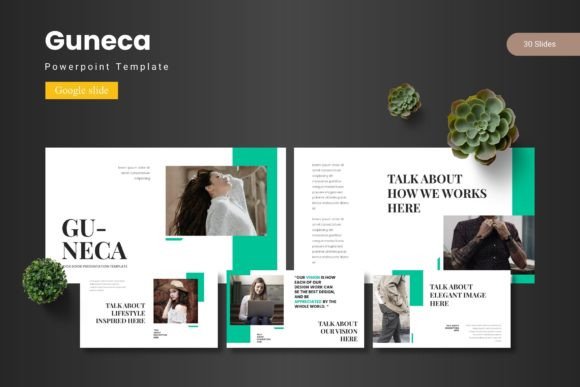
Creating Impactful Presentations: A Guide to the Guneca Google Slide Template
In today’s world, from classroom lectures to corporate boardrooms, the ability to communicate ideas clearly and compellingly is paramount. A presentation isn’t just a collection of slides; it’s a visual story, a tool for persuasion, and a reflection of your professionalism. For many, however, designing that story from a blank canvas can be a daunting, time-consuming task. This is where a well-structured template can become an indispensable ally. The Guneca - Google Slide Template is one such resource, designed to transform the complex process of presentation creation into a more streamlined, creative, and effective experience.
What Exactly Is the Guneca Template?
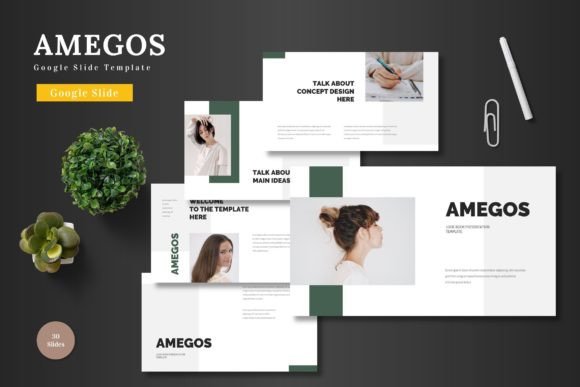
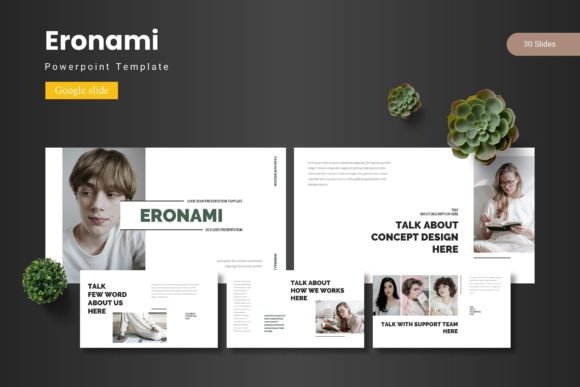
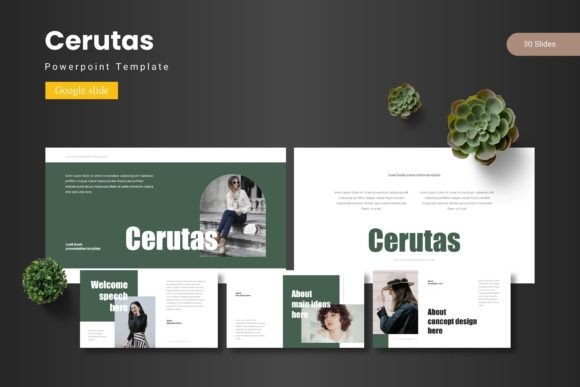
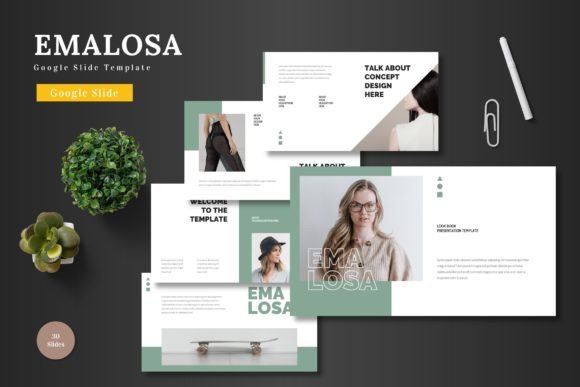
At its core, the Guneca - Google Slide Template is a pre-designed framework for building presentations within Google Slides. It provides a foundational structure of layouts, color schemes, graphics, and typography that users can adapt to their specific content. Unlike a single, rigid design, Guneca offers a comprehensive system. The main package includes 150 total slides, thoughtfully distributed across 5 premade color variations. This means you receive 30 distinct slides for each color theme, offering substantial variety without starting from scratch every time.
The template goes beyond mere decoration. It includes critical structural elements like section break slides to organize your content, a suite of handcrafted infographics to visualize data, and a library of pixel-perfect illustrations. Every graphic is resizable and editable, and the template utilizes master slides to ensure consistent formatting across your entire presentation. For ease of use, it also features drag-and-drop picture placeholders and dedicated gallery and portfolio slides, making it particularly suited for showcasing visual work.
The Philosophy Behind Pre-Designed Templates
Using a template like Guneca isn’t about stifling creativity; it’s about accelerating it. The principle is similar to an architect using blueprints. The fundamentals—the load-bearing walls, the flow of space—are already solved, allowing the architect to focus on customizing the interior details for the client’s unique needs. In presentation design, these fundamentals are visual hierarchy, color harmony, and readable layouts. By providing these, the Guneca Google Slide Template frees you to concentrate on your message, your data, and your narrative, rather than agonizing over font pairings or alignment grids.
A Closer Look at Key Features and Capabilities
Understanding the specific components of Guneca helps illustrate its practical value. The package is delivered with a main file and includes 5 PPTX files and 30 slides from Google Slides for each of the 5 color schemes. This multi-format inclusion can be helpful for teams that occasionally need to work in different software environments.
- Built for Modification: Every element is crafted to be modified. You can change colors, swap illustrations, resize infographics, and edit text boxes without breaking the design’s inherent coherence. This adaptability is crucial for branding, allowing you to align the presentation with your company’s or project’s specific color palette.
- Infographics and Illustrations: The handcrafted infographics are a standout feature. Instead of spending hours creating a chart or process diagram, you can select a pre-made one that matches your needs and simply plug in your data. The pixel-perfect illustrations add a polished, modern aesthetic that elevates the overall visual appeal.
- Structural Intelligence: The inclusion of section breaks and a layout based on master slides promotes organized storytelling. It guides you to build a presentation with a clear introduction, distinct chapters, and a compelling conclusion, which audiences instinctively appreciate.
Who Stands to Benefit the Most?
The utility of the Guneca - Google Slide Template spans a wide range of users. Business owners and entrepreneurs can use it for investor pitches, product launches, and annual reports. Educators and trainers can build more engaging lesson plans and workshop materials. Marketing professionals and creators find it ideal for campaign presentations, client portfolios, and content strategy reviews. Even students and general consumers tackling a significant personal or academic project can benefit from a tool that helps them produce a polished result without design expertise. Essentially, it serves anyone who needs to convey information persuasively and lacks either the time or the skill to design every slide manually.
Practical Applications and Real-World Scenarios
Let’s move from abstract features to concrete use. Imagine a small startup preparing for a crucial funding pitch. Using Guneca, they can quickly select a professional color scheme (perhaps the blue variant for a sense of trust and innovation), utilize the financial infographics to clearly present their growth metrics, and employ the gallery slides to showcase their product prototypes. The consistent, high-quality design lends their pitch an air of credibility and preparedness.
Consider a freelance graphic designer. They can adapt the Guneca template, using one of its more artistic color variations, to create a stunning online portfolio presentation. The drag-and-drop picture placeholders make it effortless to insert their work, and the portfolio-specific slides provide layouts designed to highlight visual art effectively. This turns a simple link into a dynamic, professional presentation of their capabilities.
For an in-house corporate team rolling out a new internal policy, the template’s clear section breaks and editable infographics can help explain complex procedures step-by-step, making the training material more digestible and less overwhelming for employees.
Evaluating Suitability for Your Needs
While powerful, a template is not a universal solution. When considering the Guneca Google Slide Template for a project, ask a few guiding questions. Is your presentation highly technical, requiring very specific, non-standard diagrams that the included infographics might not cover? Do you have an extremely strong, non-modifiable brand guideline that the template’s color schemes cannot accommodate? For most general business, educational, and creative purposes, Guneca’s flexibility is more than sufficient. However, for hyper-specialized scientific or engineering presentations, you may need to supplement it with custom-built visuals.
The key is to view it as a foundation. Expect to spend your time on content creation and customization, not on fundamental design. You should also be comfortable with the basics of Google Slides (or PowerPoint) to perform the edits. The template provides the tools but requires your input to complete the story.
Strengths, Considerations, and Final Thoughts
The strengths of the Guneca template are evident: time efficiency, design consistency, visual polish, and user-friendly adaptability. It democratizes good design, allowing non-designers to produce work that looks professionally crafted. The sheer volume of slides and color options provides longevity; you can use it for multiple, distinct projects without the slides feeling repetitive.
A natural consideration is the initial learning curve. Navigating a large template with master slides can feel unfamiliar to a first-time user. It’s advisable to review the included “Readme First” file for guidance on fonts and photo information and to spend a little time exploring the template’s structure before diving into creation. This small investment upfront prevents frustration later.
Ultimately, tools like the Guneca - Google Slide Template exist to serve a simple, powerful goal: to help you communicate better. They remove a significant barrier—the burden of design—so you can focus on what matters most: your ideas, your data, and your audience. Whether you’re pitching a dream, teaching a concept, or sharing a portfolio, having a robust visual framework at your fingertips can be the difference between a message that is simply delivered and one that is truly received and remembered.