Beyond the Flyer: How Professional Design Elevates Mental Health Awareness Campaigns
In the vital field of mental health services, communication is more than just words; it's the first point of connection, a visual handshake that can either invite someone in or leave them feeling isolated. For coaches, clinics, and organizations promoting well-being, the tools used to communicate—flyers, banners, brochures—are not mere advertisements. They are extensions of the care and professionalism offered. A well-designed mental health horizontal flyer or advertising banner does more than list services; it establishes trust, conveys calmness, and visually embodies the holistic approach it advocates. This article explores the profound significance of professional design templates in mental health campaigns and how a simple template can become a cornerstone of effective outreach.
The Purpose and Power of Visual Communication in Mental Health
Mental health challenges are often shrouded in stigma and internal complexity. When individuals seek help, their first external step is frequently encountering a piece of visual communication: a poster in a community center, a flyer shared online, or a banner on a website. This moment is critical. The design must accomplish several key purposes simultaneously:
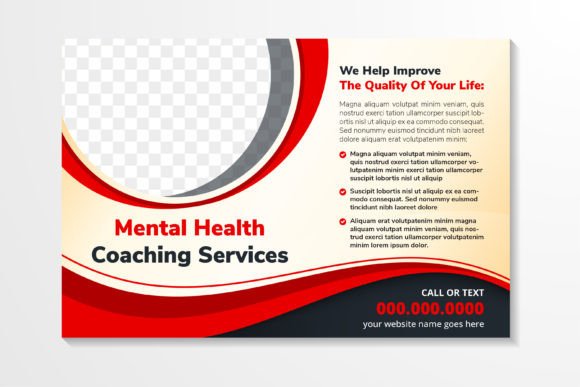
- Establishing Safety and Trust: Colors, layout, and imagery signal the environment. A chaotic, aggressive design can feel unsettling. A design with a calm, organized layout—like one utilizing a brown background with red and black elements—can convey stability (brown) with actionable energy (red) and clear professionalism (black).
- Communicating Approach and Values: Is the service clinical, corporate, holistic, or community-based? A abstract flyer design template with clean vectors and a photo collage space can suggest a blend of professional expertise (through the clean graphics) and personal, human stories (through the photos).
- Clarifying Information Accessibly: The hierarchy of text (headlines like "Mental Health Coaching Services," subheadings, body text) guides the reader from broad concept to specific detail, making complex services understandable.
The significance lies in bridging the gap between a person's private struggle and the public offer of support. A professional design acts as a non-verbal reassurance that the service is legitimate, organized, and mindful—qualities desperately needed in this sensitive field.
Deconstructing a Modern Mental Health Flyer Template
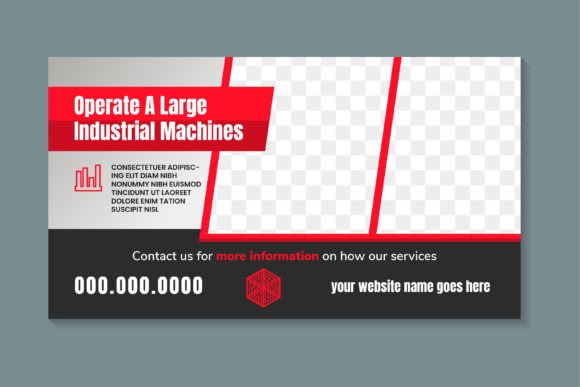
Let’s explore the practical relevance by examining the described template: a horizontal layout for mental health coaching services, with a brown background, red and black elements, space for a photo collage, and offered in high-resolution vector formats like AI and EPS.
The Horizontal Layout: Unlike a vertical poster, a horizontal flyer or banner often feels more grounded and expansive. It’s excellent for digital displays (website headers, social media banners) and printed brochures that sit comfortably on a table. It suggests openness and a wide-reaching service.
The Color Psychology: Brown, often associated with earth, stability, and reliability, forms a calming base. Red, used strategically for key elements, draws attention to crucial calls-to-action or headlines, injecting vitality and urgency—a signal that help is actively available. Black provides sharp contrast for text, ensuring readability and a tone of serious professionalism. This palette avoids overly clinical whites or passive pastels, striking a balance between warmth and authority.
The Photo Collage Space: This is where abstract design meets human connection. Allowing the campaign creator to insert photos of diverse individuals, serene environments, or team members personalizes the template. It moves from a generic medical template to a specific campaign for a real service, building awareness through relatable imagery.
The Technical Specifications: High resolution (300dpi) and 100% vector graphics are not just technical jargon; they are promises of quality and flexibility. They ensure that the printed brochure or digital publication is crisp and professional at any size. Editable text, shapes, and color mean the template is a starting point, not a constraint. A local clinic can adapt it to its brand, a corporate wellness program can integrate its logo, and an advocate can tailor it for a specific international day of awareness.
Fitting into Modern Life and Business
In today's ecosystem, mental health communication happens across multiple platforms. A single, well-organized design template becomes the cohesive visual language for an entire campaign.
- Digital Presence: The SVG and JPG files allow for seamless use on websites, email newsletters, and social media, creating consistent branding from a Facebook cover image to an Instagram poster.
- Print Materials: The AI and EPS files empower printers to produce flawless physical materials—from leaflets in a university counseling center to annual report covers for a non-profit.
- Speed and Scalability: For small practices or busy campaign organizers, a pre-designed template eliminates the daunting task of starting from a blank canvas. It provides a foundation that is both aesthetically sound and functionally editable, saving time and resources while ensuring a high standard.
This is how design fits into the modern workflow: it is a scalable asset that supports both the creative intent of the advocate and the practical demands of business and brand management.
Clarifying Common Misunderstandings
A prevalent assumption is that using a template implies a lack of originality or a "cookie-cutter" approach. In mental health communication, this is a dangerous misconception. The goal is not artistic novelty for its own sake; the goal is clear, effective, and trustworthy communication. A professional template provides the structural and visual best practices—proper information hierarchy, balanced color theory, scalable graphics—that many small organizations lack the expertise to create. The editable nature means the original message, the local photos, the specific service details (therapy, coaching, support groups) fill the template, making it unique and authentic. It's akin to using a well-designed document format for a heartfelt letter; the format empowers the message, not diminishes it.
Another misunderstanding is that design is merely "decoration." In context, the design is the first layer of the service experience. It is the graphic embodiment of the concept of care. A messy, poorly designed flyer for a mental health service can inadvertently mirror the chaos someone might feel internally, potentially deterring engagement. A calm, professional, and well organized design visually communicates the order and support the service promises to provide.
Building a Broader Understanding: Design as an Advocacy Tool
Ultimately, a mental health flyer template is more than a product for a company. It is a tool for advocacy and education. When used to create materials for international mental health day, a diagnosis awareness campaign, or a holistic wellness program, it standardizes a visual language of hope and support across communities.
The abstract and vector elements allow for a focus on concepts and clean information delivery, perfect for infographic-style explanations of mental health processes. The ability to create matching materials—from a magazine article layout to a document cover—means a single campaign can have a unified voice across all touchpoints, amplifying its impact.
For the individual reader or client, encountering this consistent, professional design across different platforms builds recognition and reinforces the legitimacy of the services. It helps demystify mental health support, presenting it as an accessible, organized, and integrated part of community and professional life.
Conclusion: The Lasting Impact of a Thoughtful Design Choice
Choosing a high-quality, editable design template for mental health communication is a strategic and ethical decision. It acknowledges that the journey to seeking help is fragile, and the first visual cues matter immensely. A template featuring a balanced palette, flexible layout, and professional technical specs—like the one described with its brown background and red accents—provides a foundation upon which practitioners can build their unique message of support.
It moves beyond mere advertising to become a component of the service itself, a visual promise of the calmness, professionalism, and holistic care awaiting inside. By leveraging such tools, mental health advocates, coaches, and organizations can ensure their external communication honors the importance and sensitivity of the work they do, inviting more individuals to take that courageous first step toward well-being.